These guides answer the questions that come up when you start practicing: what a normal typing speed is, how WPM and accuracy are worked out, which finger belongs on which key, and how to break the habit of looking down. Others cover posture, keyboard layouts like Dvorak and Colemak, typing on a phone and keyboard ghosting. Each one is written to be used alongside the typing test, lessons and games on this site, so you can read a tip and try it right away.
Typing Guides
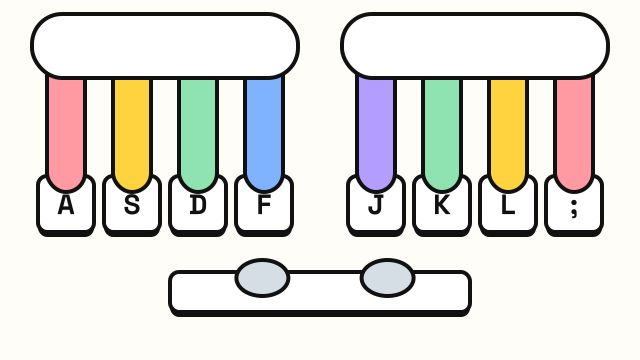
10 Finger Typing for Beginners
Learn 10 finger typing from scratch: where your fingers rest, which finger presses which key, and a simple routine that builds speed without looking.
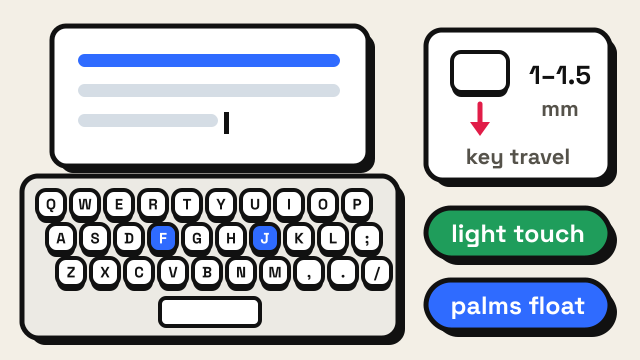
10 Finger Typing on a Laptop Keyboard
How to touch type with 10 fingers on a laptop: home row position, shallow keys, the touchpad, wrist angle and when an external keyboard makes sense.
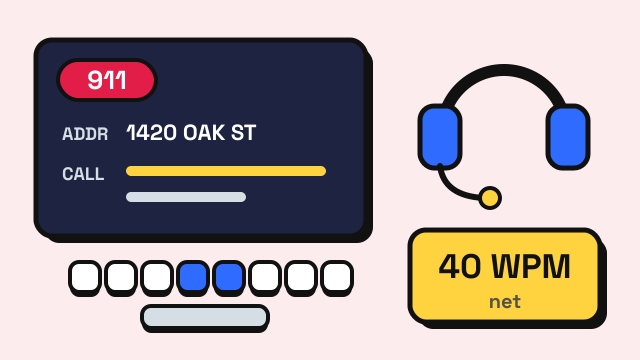
911 Dispatcher Typing Test: WPM Needed and How to Practice
Most 911 dispatcher jobs ask for 35 to 40 net WPM. See what real agencies require, how CritiCall typing modules work and how to practice for the test.
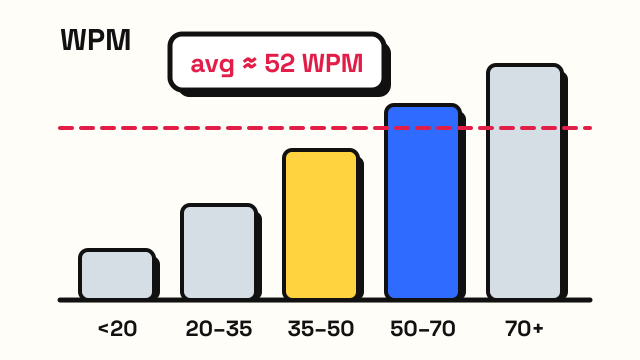
Average Typing Speed: How Fast Do People Type?
What is the average typing speed? See commonly cited WPM ranges from beginner to expert, what employers ask for, and how to measure your own speed.
Best Typing Games for Kids
What makes a good typing game for kids, which free games suit which ages, and tips for parents and teachers. No sign-up needed to start.
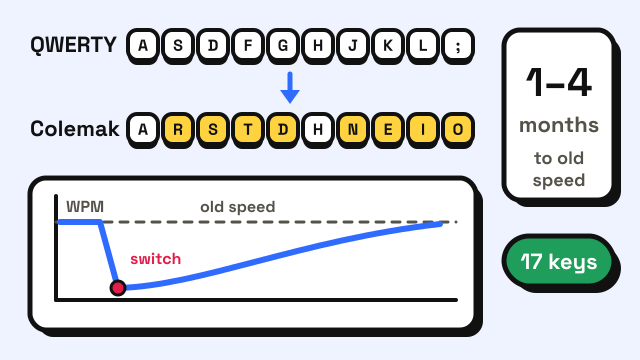
Switching to Colemak or Dvorak: How Long It Takes
How long switching to Colemak or Dvorak takes: the usual learning curve, what the old studies found, why people go back to QWERTY and how to switch.
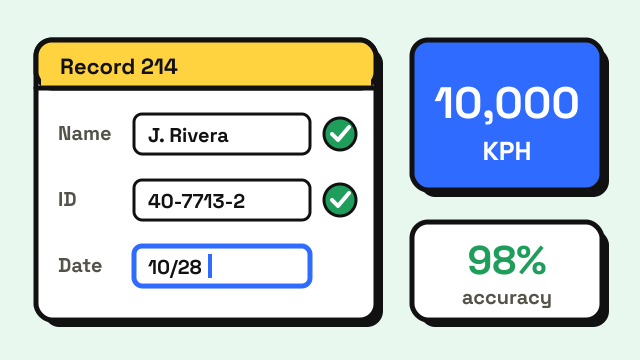
Data Entry Typing Test: Speed and Accuracy You Need
Most data entry tests ask for 5,000 to 10,000 keystrokes per hour with high accuracy. See real requirements, how the tests work and how to practice.
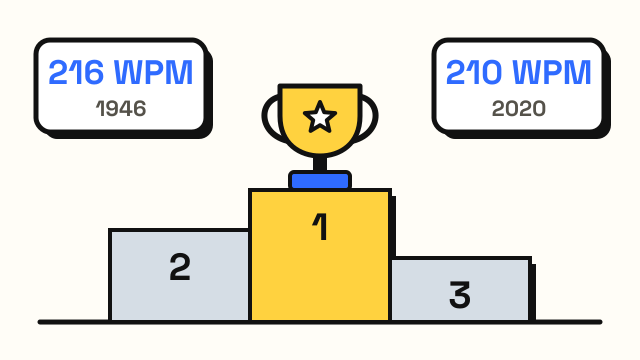
Who Is the Fastest Typist in the World?
Who is the fastest typist in the world? See the verified records from Guinness and typing championships, why the numbers differ, and how your speed compares.
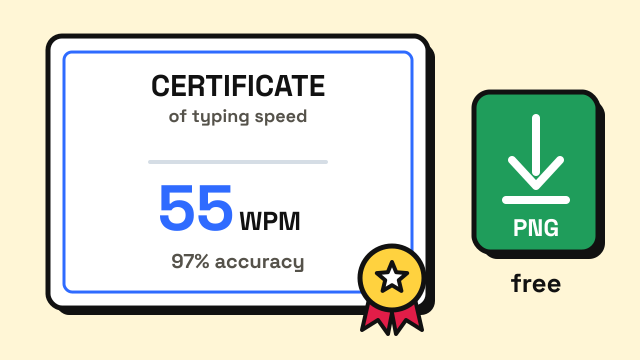
How to Get a Free Typing Certificate Online
Get a free typing certificate in minutes: take a timed test, download your WPM result, and learn when employers accept it and how to list it on a resume.
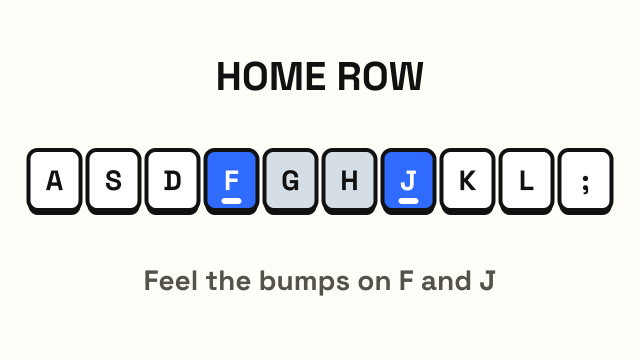
Home Row Keys Explained
The home row keys are ASDF and JKL; on a QWERTY keyboard. Learn where each finger rests, why the F and J bumps matter, and how to practice the home row.
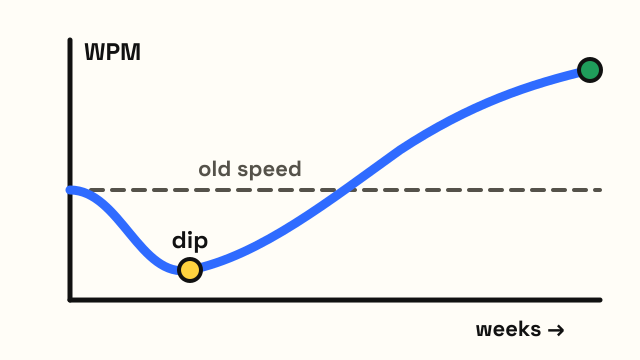
How Long Does It Take to Learn Touch Typing?
How long does it take to learn touch typing? Realistic timelines for learning the keys, getting back to your old speed and passing 40 or 60 WPM.
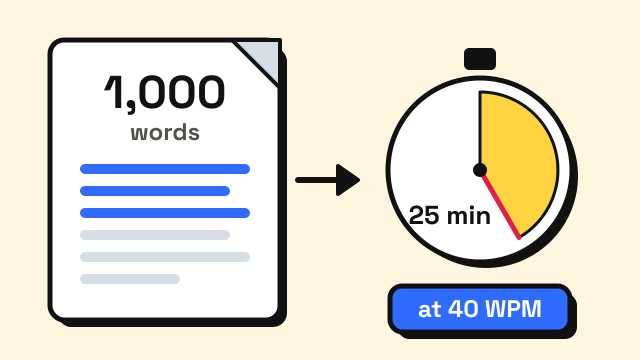
How Long Does It Take to Type 1,000 Words?
Typing 1,000 words takes 25 minutes at 40 WPM and about 17 minutes at 60 WPM. See a time table for 250 to 5,000 words and why writing takes longer.
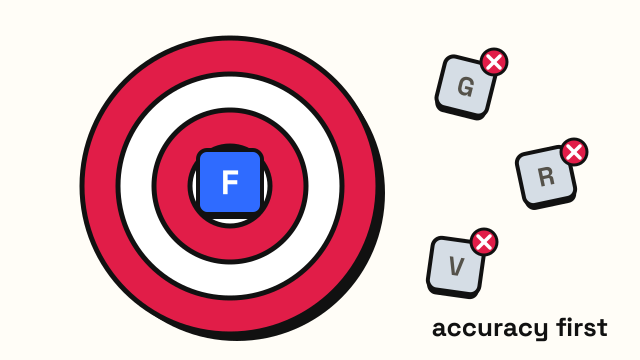
How to Improve Typing Accuracy
How to improve typing accuracy: slow down to 95%+, use the same finger for each key, keep your eyes on the screen, type in rhythm and drill weak keys.
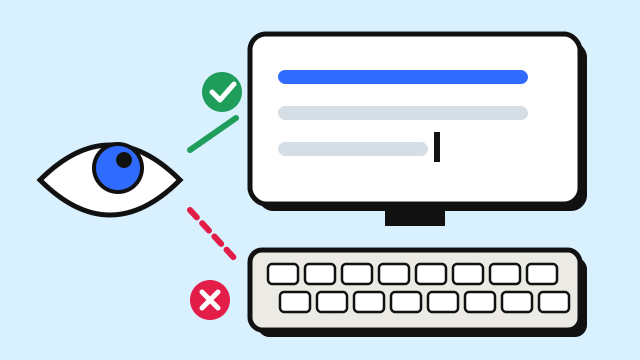
How to Stop Looking at the Keyboard When Typing
Practical ways to stop looking at the keyboard when typing: find home by feel, use an on-screen guide, cover your hands and practice at a steady pace.
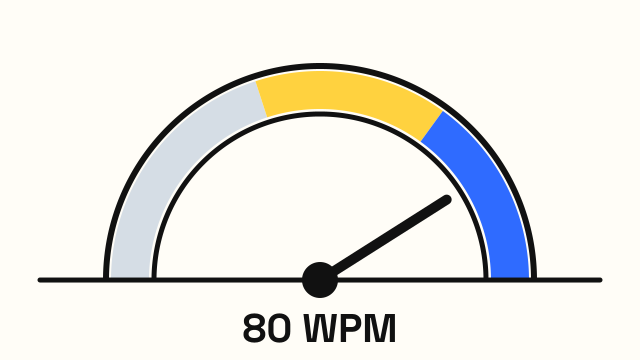
How to Type Faster
Learn how to type faster with a step-by-step plan: fix finger placement, stop looking at the keys, train accuracy first and practice daily.
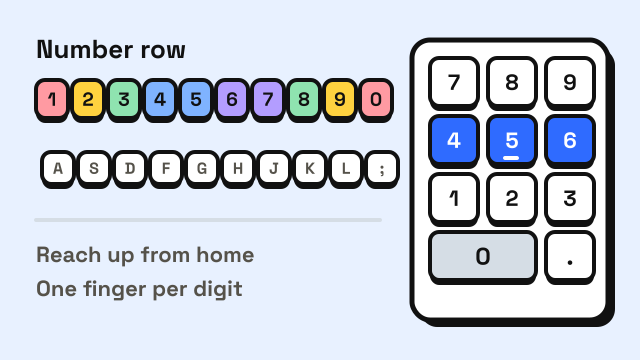
How to Type Numbers Faster
How to type numbers faster on the number row and the 10-key pad: which finger owns each digit, the 4-5-6 home keys, drills and KPH targets.
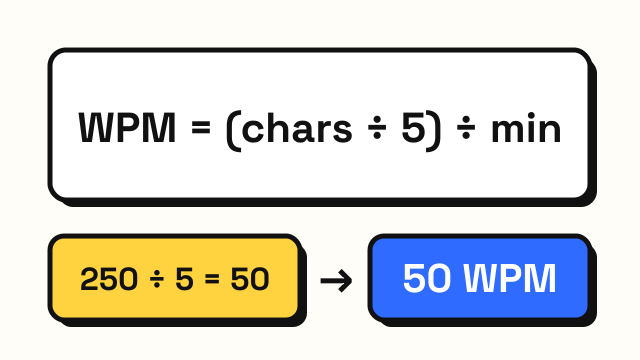
How Is WPM Calculated?
How is WPM calculated? Learn the 5-character word rule, the difference between net and raw WPM, how accuracy and KPH work, with worked examples.
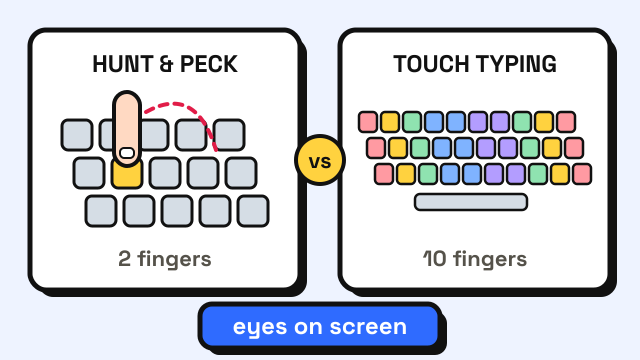
Hunt and Peck vs Touch Typing: Is It Worth Switching?
Hunt and peck vs touch typing: how they differ, why some two-finger typists are fast, what switching costs, and a plan to get through the slow weeks.
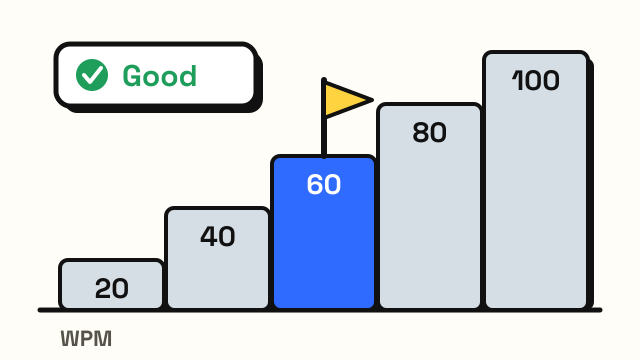
Is 60 WPM Good? What Each Typing Speed Means
Is 60 WPM good? Yes: it beats the 40 WPM adult average and most job bars. See what 40, 60, 80, 100 and 120 WPM each mean and how to reach the next level.
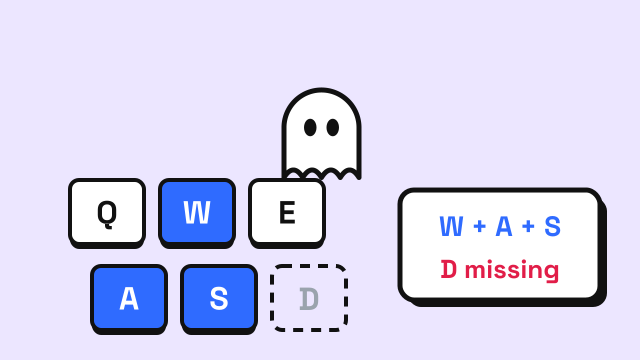
Keyboard Ghosting Explained
What keyboard ghosting is, why keys go missing when you press several at once, what 2KRO, 6KRO and NKRO mean, and how to test your own keyboard online.
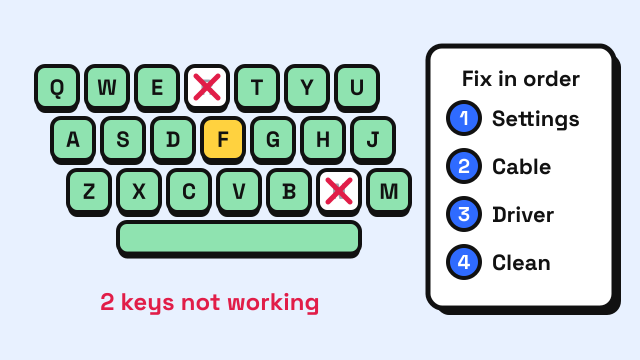
Keyboard Keys Not Working? How to Test and Fix Them
Keyboard keys not working? Find out in one minute which keys are dead, then fix the usual causes in order: settings, connection, driver, dirt and ghosting.
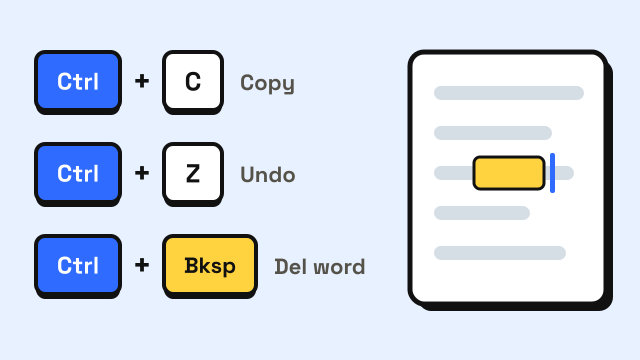
40 Keyboard Shortcuts That Speed Up Your Typing
40 keyboard shortcuts for Windows and Mac that speed up typing: copy and paste, deleting whole words, moving and selecting text, and the order to learn them.
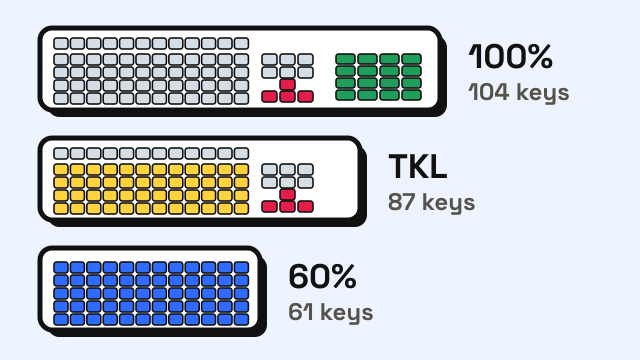
60% vs 75% vs TKL: Keyboard Sizes Explained
Full-size, TKL, 75%, 65% and 60% keyboards compared: how many keys each has, which keys they drop, and whether a smaller board changes how fast you type.
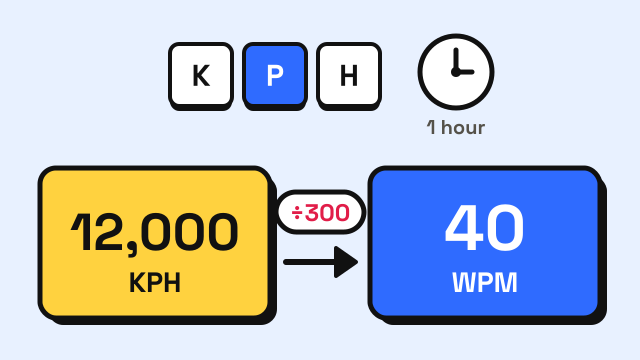
KPH to WPM: What Keystrokes Per Hour Means
Keystrokes per hour (KPH) counts key presses in an hour. Convert KPH to WPM by dividing by 300, see a full table and the KPH data entry jobs ask for.
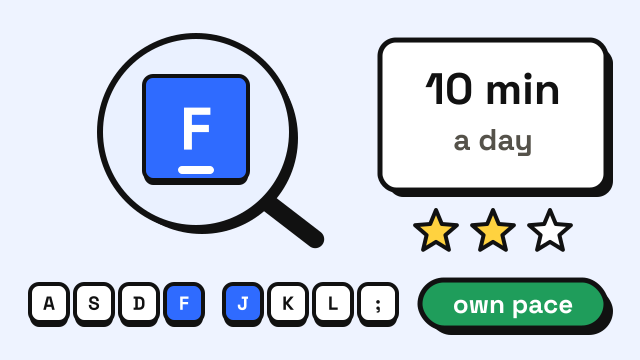
Learning to Type as a Senior: A Gentle Start
Learning to type as a senior: make the screen easier to read, practice 10–15 minutes a day, learn the home row first and keep accuracy ahead of speed.
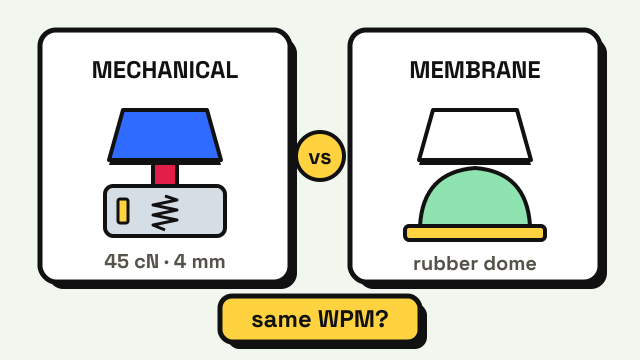
Does a Mechanical Keyboard Make You Type Faster?
Does a mechanical keyboard make you type faster? What research says about key force, travel and switches, and how to test your own speed before and after.
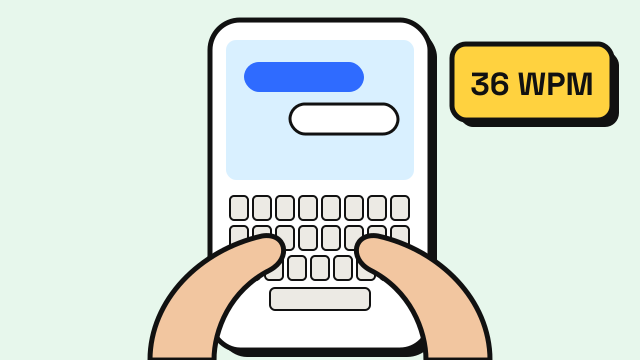
Average Typing Speed on a Phone
What is the average typing speed on a phone? Typical mobile WPM, why phones are slower than keyboards, and practical ways to type faster on touchscreens.
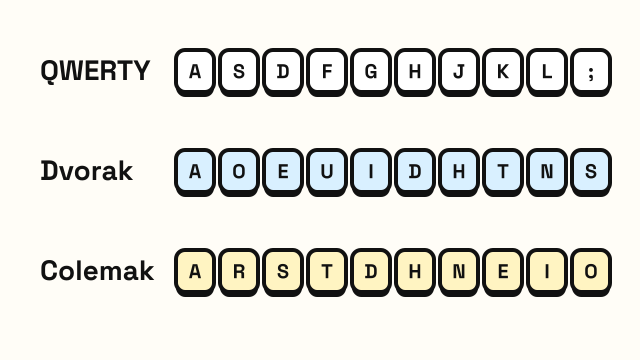
QWERTY vs Dvorak vs Colemak
QWERTY vs Dvorak vs Colemak compared: where each layout came from, finger movement, learning curve, shortcuts and whether switching is worth it for you.
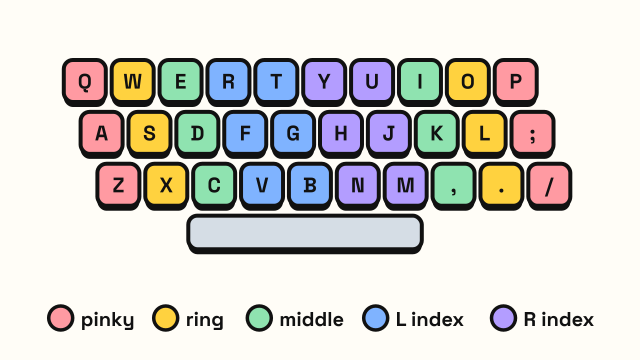
Touch Typing Finger Chart for QWERTY Keyboards
A touch typing finger chart for QWERTY keyboards. See which finger presses every key, row by row, plus how to use Shift, Space and the number row.
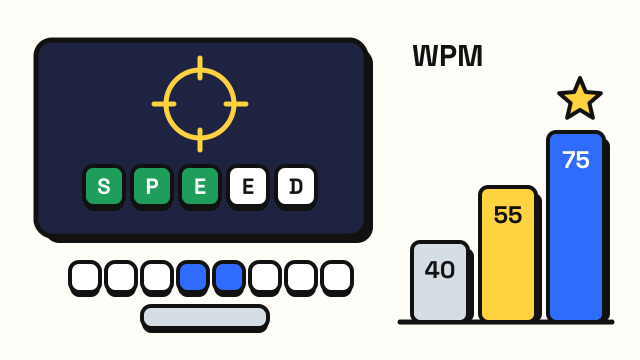
Typing Games for Adults That Actually Build Speed
Which typing games help adults type faster, what skill each one trains, and how to use games with tests so the speed carries over to real work.
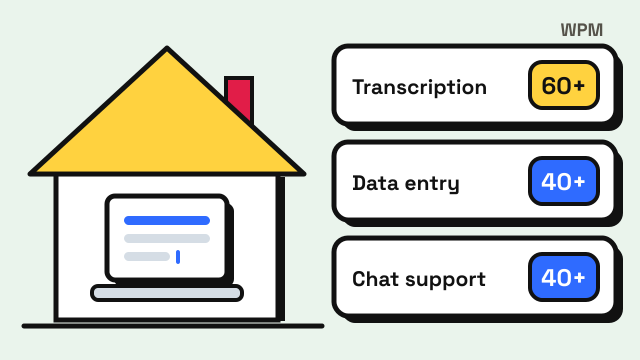
Typing Jobs From Home: Real Roles and the WPM They Need
Which typing jobs from home are real, what they pay, the WPM and accuracy each one asks for, how to spot a typing job scam and how to prove your speed.
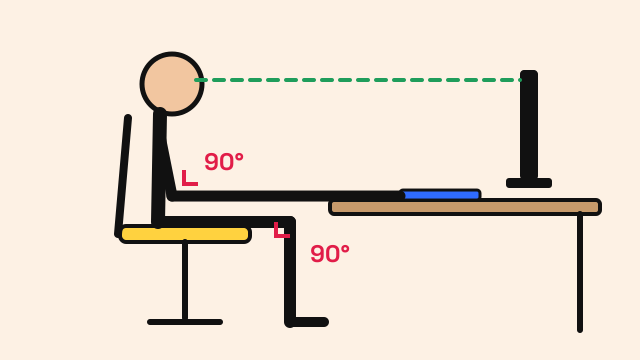
Proper Typing Posture: How to Sit, Reach and Rest
A practical guide to proper typing posture: chair and desk height, wrist position, screen distance and hand shape, plus a quick checklist before you type.
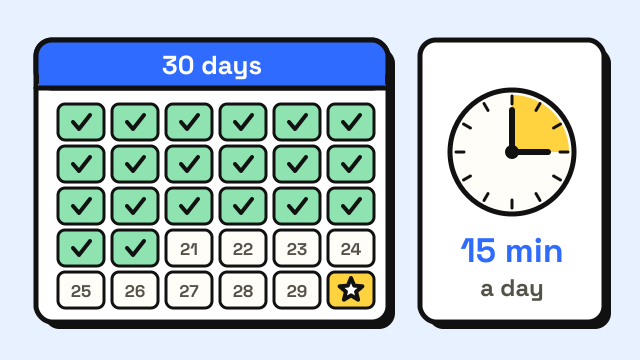
Typing Practice for Adults: A 30-Day Plan
A 30-day typing practice plan for adults: 15–20 minutes a day, week-by-week lessons, games for variety and a weekly test to track your WPM.
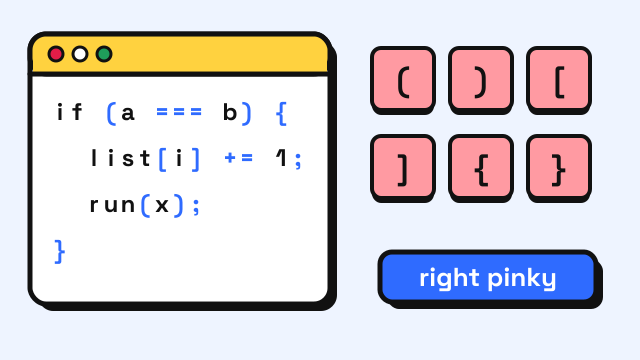
Typing Practice for Programmers
Typing practice for programmers: which finger types each bracket and symbol on QWERTY, the opposite-Shift rule, editor habits and a 10-minute drill.
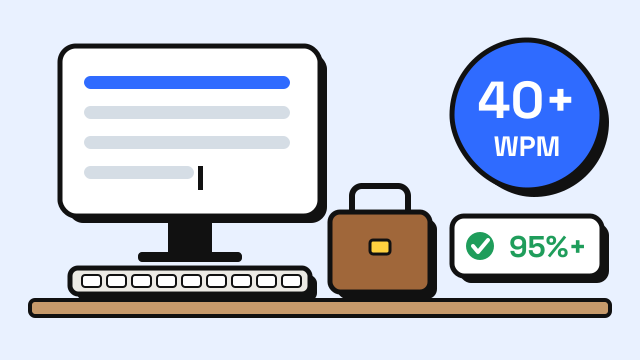
Typing Speed for Jobs: What WPM Do Employers Expect?
What typing speed do jobs require? Typical WPM for data entry, admin, support, transcription, medical and legal roles, how tests work and how to prepare.
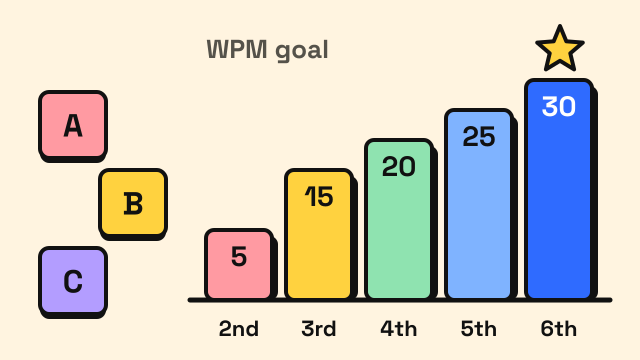
Typing Speed for Kids: WPM Goals by Grade
Realistic typing speed goals for kids by grade, from 5 WPM in 2nd grade to about 30 WPM in 6th, plus what Common Core expects and how much to practice.
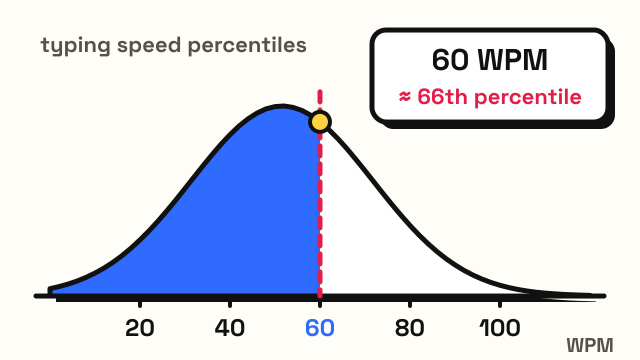
Typing Speed Percentiles: Where Does Your WPM Rank?
What percentile is your WPM? Rough typing speed percentiles from 20 to 120 WPM, based on the largest published typing study, and how to rank fairly.
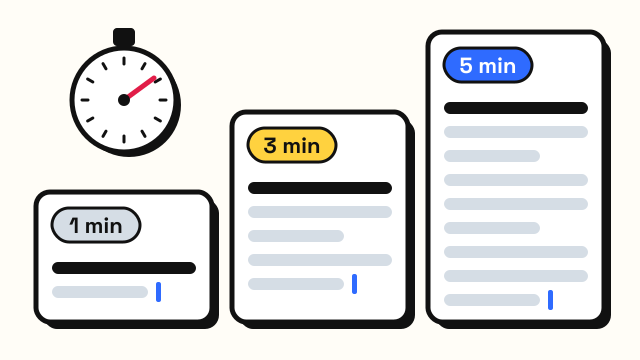
Typing Test Paragraphs: 20 Texts to Practice With
20 free typing test paragraphs from public domain books and speeches, sorted for 1, 3 and 5 minute tests, with character and word counts for each one.
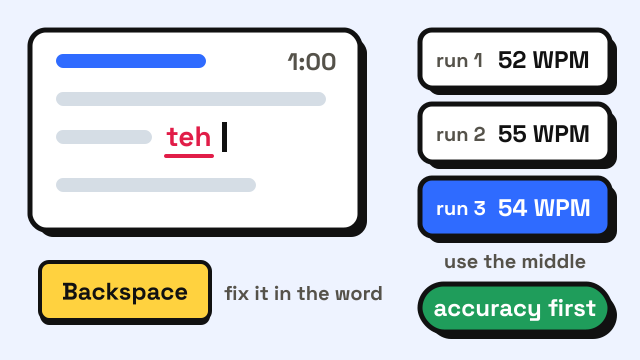
Typing Test Tips: How to Score Higher Honestly
Typing test tips that raise your score without tricks: set up your keyboard, warm up, start at a steady pace, handle typos well and average several runs.
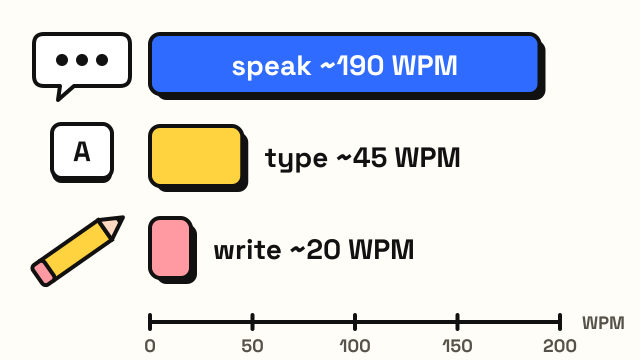
Typing vs Speaking vs Handwriting Speed
Speech runs near 150–200 WPM, keyboard typing about 40–50 WPM and handwriting about 13–30 WPM. See a sourced comparison table and why the gaps exist.
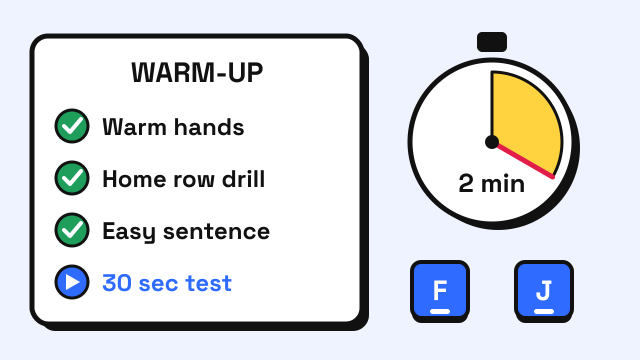
Typing Warm-Up Exercises Before a Test
A 2-minute typing warm-up before a test: warm your hands, run home row drills, type a slow line, then a 30-second test. Why it helps and what to skip.
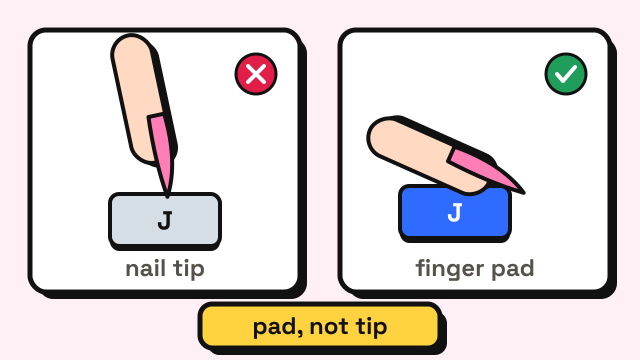
How to Type Fast With Long Nails
How to type fast with long nails: use the pads of your fingers, flatten your hand slightly, pick low, flat keys, and rebuild accuracy before speed.
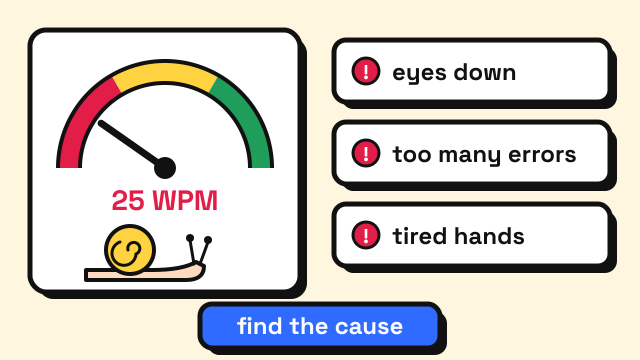
Why Is My Typing So Slow (or Getting Worse)?
Why is my typing so slow? The usual causes: looking at the keys, errors, inconsistent fingers, fatigue, a new keyboard or layout, and how to fix each.
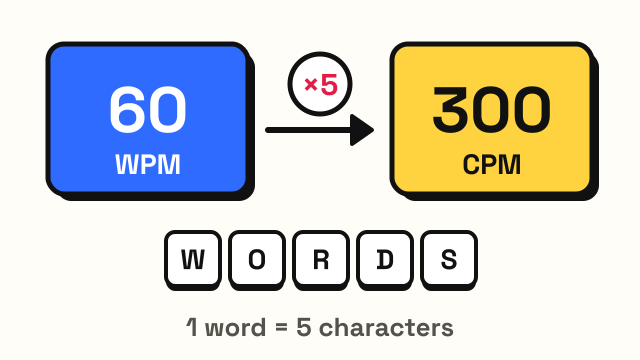
WPM to CPM: How to Convert Typing Speed
Convert WPM to CPM by multiplying by 5, and CPM to WPM by dividing by 5. See a full conversion table, the 5-character rule and why some tests use CPM.